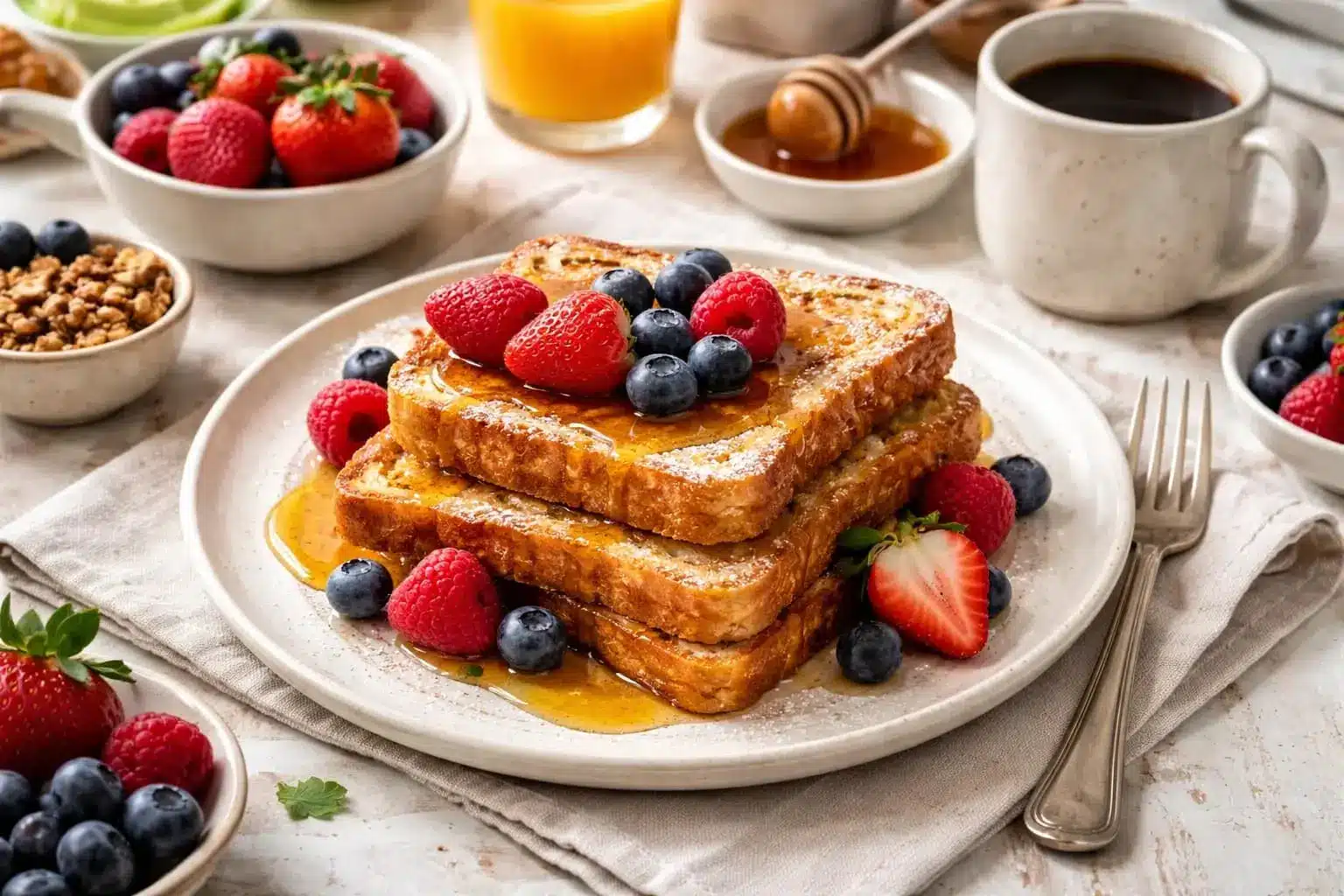
How to Make French Toast Without Eggs
Making French toast without eggs sounds like it shouldn’t work, and it works fine. Eggs are traditional here, not mandatory, and once you know what they’re actually doing in the pan you can get the same soft center and golden crust without them.
Want the classic version first? It’s in my tested French toast method.
Allergy, diet, or an empty carton on a morning when breakfast still has to happen: the reason doesn’t change the method. What matters is replacing what eggs do, not just leaving them out.
Get that right and this stops being a compromise.
What eggs are actually doing
Two jobs. They bind the liquid to the bread, which is what gives the coating body. And they add richness while helping the surface brown.
Neither job is uniquely theirs. Plenty of ingredients thicken liquid when heated, and browning comes from sugars and proteins that don’t have to arrive in an egg.
Think in terms of function rather than habit and the substitution stops being mysterious.
What you actually need to recreate
The mistake almost everyone makes is removing the eggs without putting anything in their place. That gives you milk-soaked bread, which is a different and much sadder dish.
Four things have to be present:
- a liquid base, for moisture
- a thickener or binder, for structure
- proper seasoning, for flavor
- controlled heat, for browning
Balance those and the recipe becomes as repeatable as the original.
The binders, ranked by how well they work
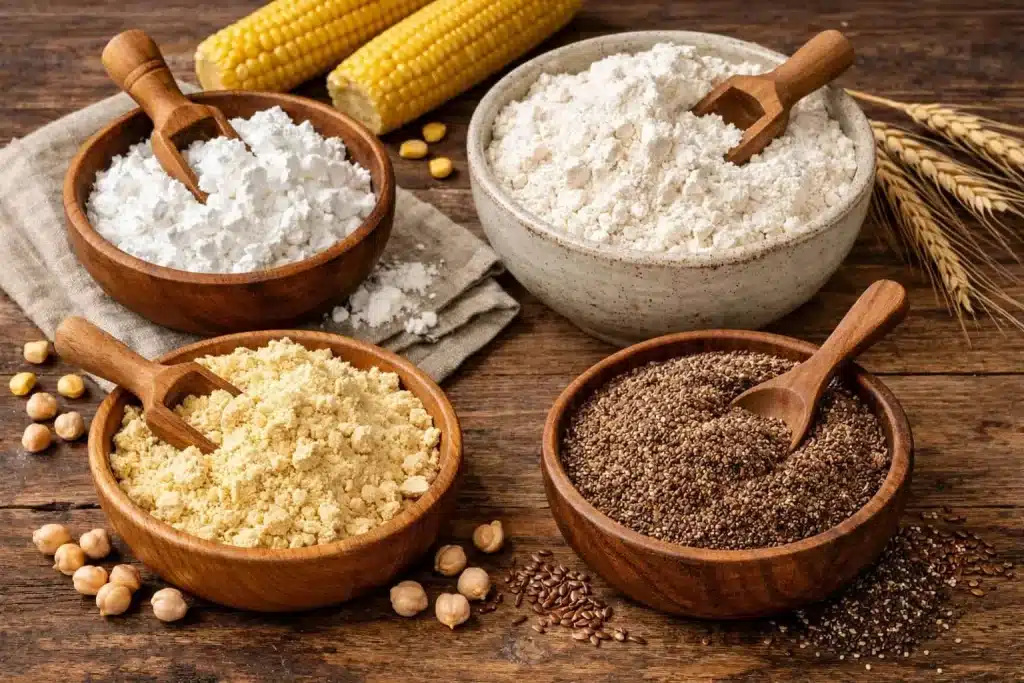
Cornstarch
The best of the group. Heated, it thickens the liquid and makes it cling to the bread instead of running off.
A little goes a long way. It gives you a smooth coating with no heaviness, and it browns evenly.
All-purpose flour
Behaves much like cornstarch, with a slightly denser result. A perfectly good substitute when there’s no cornstarch in the cupboard.
Whisk it properly or you’ll be picking lumps out of the coating.
Chickpea flour
A staple of vegan cooking because it comes closest to egg-like behavior. It adds real structure plus a mild savory note underneath the sweetness.
Small amounts only. It suits heartier bread particularly well.
Ground flaxseed or chia
Mixed with liquid, both form a gel that binds well. The flavor is more noticeable than the others, so they belong in spiced versions where there’s something for them to hide behind.
They also add fiber, which the rest of this list does not.
What goes in
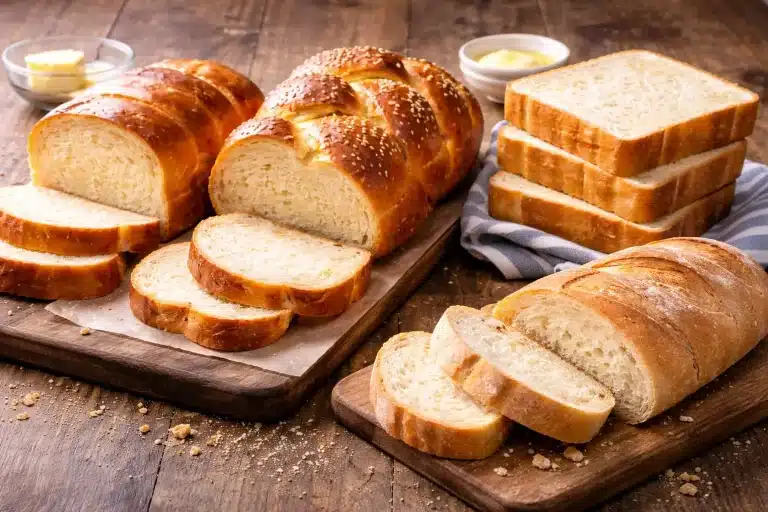
Bread should be thick and sturdy. Brioche-style vegan loaves, Texas toast, challah alternatives, or slightly stale white bread all hold up.
Plant-based milk carries the moisture. Oat, almond or soy all work; oat is usually the best of the three for its neutral flavor and creamier body.
A binder, whether cornstarch, flour or chickpea flour, takes over the eggs’ job.
Vanilla extract adds warmth, and cinnamon or nutmeg does the rest of the flavor work.
A pinch of salt stops it tasting flat.
Butter, oil or plant-based butter for the pan.
Bread matters even more here
Without eggs holding things together, the bread has to do more of the structural work itself.
Soft sandwich bread tends to come apart. Thicker slices absorb more slowly and keep their shape while they cook.
Slightly stale is ideal, for the same reason it always is: even absorption, no sogginess.
Skip thin slices. Thickness is what gives you the contrast between crisp edge and soft middle, and that contrast is most of the appeal.
Quick Eggless French Toast Recipe
Servings: 4 slices · Prep: 5 minutes · Cook: 10 minutes
Ingredients
- 1 cup plant-based milk (oat, almond, or soy)
- 1 tbsp cornstarch (or 1 tbsp all-purpose flour)
- 1 tsp vanilla extract
- 1/2 tsp cinnamon (optional)
- Pinch of salt
- 4 thick slices bread (slightly stale works best)
- 1–2 tbsp butter, oil, or dairy-free butter (for cooking)
Instructions
- Whisk the milk and cornstarch (or flour) until smooth. Add vanilla, cinnamon, and salt.
- Dip each bread slice briefly (do not soak), coating both sides.
- Heat a skillet over medium heat and add butter or oil.
- Cook 2–3 minutes per side until golden and set.
Quick tip: If the coating looks thin, whisk again and let it sit 1 minute to thicken.
What the card does not tell you
You’re aiming for something slightly thicker than milk but still pourable. If it coats the back of a spoon, you’ve gone too far.
Flip carefully. Without eggs the coating is a little more delicate at first, and it firms up as it cooks, so the first flip is the one to be gentle with.
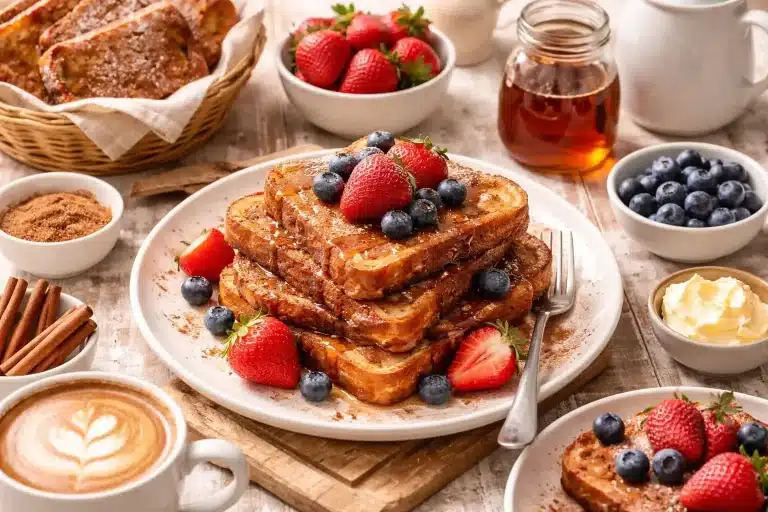
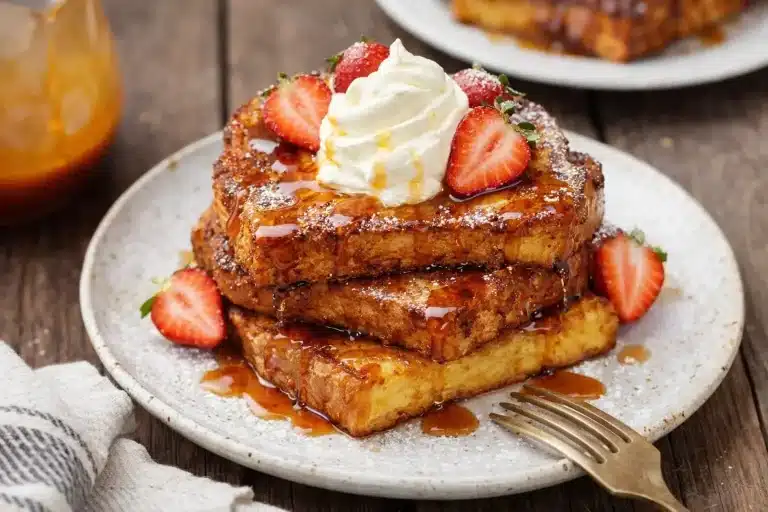
What you should end up with is crisp outside, soft inside, and no obvious sign that anything is missing.
Cooking tips
- Medium heat is not optional. High heat browns the surface before the coating sets underneath
- Let the pan come up to temperature fully before the bread goes in
- Don’t crowd the pan, or you’ll steam instead of brown
- Browning too fast means the heat is too high, so drop it
- Patience does more for the texture here than any ingredient will
Flavor variations
Extra cinnamon or nutmeg for warmth. Vanilla bean paste instead of extract for deeper aroma. A little maple syrup whisked into the batter for subtle sweetness. Citrus zest when you want brightness against the richness.
Keeping it fully vegan
Plant-based milk, and dairy-free butter or oil in the pan.
Skip honey in the toppings and reach for maple syrup or fruit instead. Chickpea flour and cornstarch are both especially good in vegan versions.
Done properly, this is not a lesser version of anything.
Cutting dairy too? My French toast without milk method covers the swaps.
Toppings
Toppings matter a bit more here, because they add back some of the richness eggs would have contributed.
- Fresh fruit, for moisture and contrast
- Maple syrup, for sweetness
- Nut butters, for protein and creaminess
- Dairy-free yogurt, which works better than you’d think
- Cinnamon sugar, simple and effective
Storing and reheating
Cool completely first. Refrigerated in an airtight container it keeps about three days.
To freeze, lay the cooked slices out in a single layer, then bag them once solid. Two months is realistic.
Reheat in a skillet, the oven or an air fryer. Avoid the microwave, which softens everything you worked for.
Mistakes that ruin it
- Skipping the binder, which leaves you with a watery coating
- Too much liquid, which makes it soggy
- High heat, which burns the outside before the middle sets
- Bread too soft, which breaks apart
- Skipping the seasoning, which leaves it bland
FAQ: French Toast Without Eggs
Can I make French toast without eggs and keep it vegan?
Yes. Use plant-based milk and cook with dairy-free butter or oil. Cornstarch or chickpea flour works especially well.
What is the best egg substitute for binding French toast?
Cornstarch is one of the best because it thickens the liquid when heated and helps it cling to the bread. Flour, chickpea flour, flax, or chia also work.
Why is my eggless French toast soggy?
Usually it’s from too much liquid, soaking too long, or using thin/soft bread. Use thick bread, dip quickly, and cook on medium heat until fully set.
Can I freeze eggless French toast?
Yes. Cool completely, freeze slices in a single layer, then store in freezer-safe bags for up to two months. Reheat in a skillet, oven, or air fryer.
Simply egg-free
Eggs are traditional. They aren’t mandatory.
Once you understand the job they were doing, replacing them is a matter of one spoonful of starch and a little attention to the heat. With the liquid, the binder and the technique in balance, this is as comforting as the version you grew up with.