

Starting Over After 50: How to Begin a New Chapter
Starting over after 50 can feel like too much and like a genuine opportunity at the same time. Both are true, and holding both at once is not a contradiction. It is what the decision actually feels like from the inside.
What changes at this stage isn’t your capacity to begin again. It’s that you finally know what you’d want from it. At twenty-five, you build a life partly by guessing. At fifty-five, you have decades of evidence about what drains you, what you’re good at, and what you tolerated far longer than you should have. That evidence is the whole advantage.
Career change, a digital business, or a life arranged around what actually matters to you: none of it has an age limit. What it does have is a different starting point, and it helps to be honest about what that starting point looks like.
Why start over after 50?
By your fifties, you’re carrying decades of experience, and a lot of people, women especially, are carrying it inside a career or a routine that stopped fitting years ago. Not a bad life. A life shaped around obligations that have since changed, and never reshaped afterward.
Sometimes the push comes from loss, retirement, or burnout. Sometimes it’s a plan postponed so often that postponing it becomes the habit. Sometimes nothing dramatic happens at all: the children move out, the work goes quiet, and the space that opens up is uncomfortable precisely because nobody else is filling it for you.
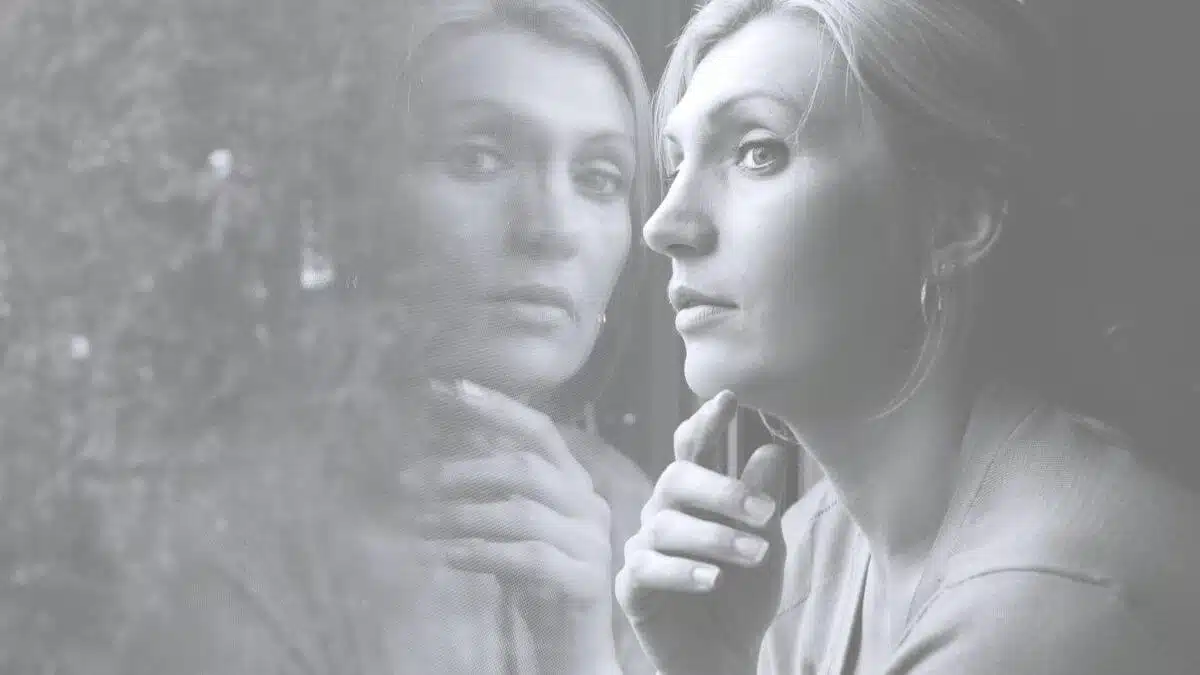
Whatever starts it, this is often where the rewarding part begins. A passion project, a simpler life, a focus on wellness: the shape matters less than choosing it deliberately instead of drifting into it.
What starting over actually looks like
It is worth saying plainly because the phrase invites a picture that rarely matches the reality. Starting over after 50 is not usually a dramatic exit. It is not selling the house and moving abroad, and it is not one brave morning that changes everything.
More often, it looks like a series of unglamorous decisions taken over a year or two. Taking a course in the evenings. Saying no to something you have always said yes to. Rearranging a room so it works for the person you are now rather than the one who chose the furniture. Telling one person what you are considering, out loud, for the first time.
None of that photographs well, and all of it counts. If you are waiting for the version that feels like a turning point, you may be overlooking the version that is already happening.
Letting go of what no longer fits
The hardest part is rarely deciding what you want. It is admitting what you are ready to stop doing.
Roles get sticky. The one who always hosts, the one who always drives, the one everyone calls when something goes wrong. Those roles may have been chosen once and then simply kept, long after they no longer fit. Nobody hands them back to you. You have to put them down.
The same is true of the smaller things: commitments kept out of habit, subscriptions to a version of yourself you no longer are, an identity built around a job title that is on its way out. Letting go of those is not a loss. It is making room, and room is what a new direction needs before it can arrive.
Rebuilding confidence, one small action at a time
Confidence at this stage does not come from a pep talk. It comes from evidence, and evidence has to be built.

You don’t need the whole plan. You need the next step and then proof that you took it. Write the goals down. Clear one space. Sketch one new routine. Finish one short course rather than researching six. Reinvention is a process you’re in, not a destination you arrive at, and confidence arrives partway through rather than before you begin.
Learning helps here, and it changes character with age. It gets more selective, which makes it more useful. Short courses, workshops, mentorship, aimed at something you actually want to do: digital marketing, wellness coaching, your own business. Skills are the most reliable lever you have, partly because they are the one thing nobody can decide on your behalf.
Building a routine that holds you up
Morning rituals, self-care, meals you look forward to. These aren’t luxuries; they’re the base everything else stands on when the harder days come, and the harder days do come.

A routine that works is usually smaller than the one you imagine. Two or three fixed points in the day, protected properly, do more than an ambitious schedule you abandon in a fortnight. The first hour of the morning. A walk that happens, whatever else is going on. One evening a week that belongs to the new thing and not to anyone else’s plans.
Find what grounds you and protect it. Not because it is virtuous, but because in the weeks when motivation disappears entirely, the routine keeps the project alive until motivation returns.
Letting go of the comparison
You are not behind. You are starting again with information you didn’t have the first time.
Measuring your progress against someone else’s is the fastest way to stop. It is also unfair in a way that is easy to miss: you are comparing a beginning you can see from the inside with a result someone else has already finished. Measure it against the fact that you adapted at all.
Permission to change direction again
One more thing, and it takes the pressure off the whole decision: the direction you choose now does not have to be final.
Plenty of people stall at this stage because they are trying to pick the last chapter, as if a wrong turn at fifty-five costs more than a wrong turn at thirty. It costs less, in practice, because you notice sooner. You already know what a bad fit feels like, and you are far less willing to sit inside one for five years to find out.
So choose something you can start this month, and let it teach you what the next choice should be.
Questions people ask
Is it too late to start over after 50?
No. What changes at this stage is not your capacity to begin again; it is that you finally know what you would want from it. Decades of evidence about what suits you and what does not is the advantage, not the obstacle.
What are some tips for starting over later in life?
Start smaller than feels satisfying. Finish one short course rather than researching six, protect two or three fixed points in your day, and put down the roles that stopped fitting. Confidence follows the evidence you build, not the other way round.
Can I launch a new business or passion project after 50?
Yes, and the practical route is usually skills first. A short course, a workshop, or mentorship aimed at something specific gives you a lever that nobody decides on your behalf. Pick the smallest version that is still real, and treat the first few months as information rather than commitment.
You’re not doing this alone
The Wellness & Self-Care Hub here on Lifebliesshub is full of ideas for looking after your body, your mind, and your sense of direction.
And if you’re ready to put something on paper, download the free Self-Care Planner and start organizing your goals and routines with a bit of structure. Writing it down is a small action, which is exactly the point: it is the kind of step you can take today, and it gives you something to look back at in three months.